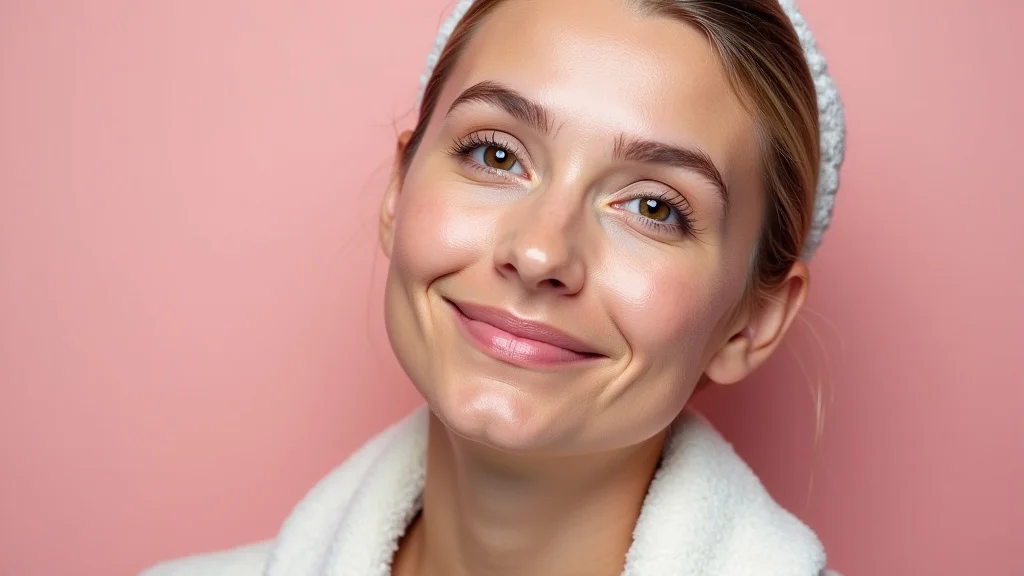
Are you looking in the mirror and noticing fine lines, wrinkles, or dullness that weren’t there before? It’s a common experience as we age. The good news is that the right beauty products can make a noticeable difference. This guide explores what beauty products are best for anti-aging, helping you choose ingredients and formulas that work. You’ll learn how to target signs of aging effectively and build a routine that delivers results, leaving you feeling more confident about your skin.
Key Takeaways
- Understand the key ingredients that fight signs of aging.
- Learn about different product types and their anti-aging benefits.
- Discover how to choose products based on your specific skin concerns.
- Explore effective routines for incorporating anti-aging products.
- Identify common ingredients to look for and avoid.
- Learn practical tips for maintaining youthful-looking skin.
Understanding Anti-Aging Ingredients
Many people wonder what beauty products are best for anti-aging. The answer often lies in understanding the ingredients that actively combat the signs of aging. These ingredients work in different ways, from boosting collagen production to protecting your skin from damage and promoting cell turnover. Knowing these heroes of skincare can help you make informed choices.
Retinoids
Retinoids are a powerful group of ingredients derived from Vitamin A. They are often considered the gold standard for anti-aging. Retinoids work by speeding up cell turnover, which means old, damaged skin cells are shed faster, revealing newer, healthier cells underneath. This process can reduce the appearance of fine lines, wrinkles, and dark spots. They also help to stimulate collagen production, which keeps skin firm and plump.
There are several types of retinoids. Prescription-strength options include tretinoin, adapalene, and tazarotene. Over-the-counter options include retinol, retinaldehyde, and retinyl palmitate. Retinol is the most common form found in beauty products and is a great starting point for those new to retinoids.
The effectiveness of retinoids is well-documented. A study published in the Journal of the American Academy of Dermatology found that tretinoin significantly improved the appearance of wrinkles and photodamaged skin. Another study showed that retinol could improve skin texture and reduce hyperpigmentation.
When starting with retinoids, it’s important to introduce them slowly to avoid irritation. Begin by using a retinoid product a few times a week and gradually increase frequency as your skin tolerates it. Always wear sunscreen during the day, as retinoids can make your skin more sensitive to the sun.
Vitamin C
Vitamin C is a potent antioxidant that offers numerous benefits for aging skin. As an antioxidant, it helps to neutralize free radicals, which are unstable molecules that can damage skin cells and accelerate the aging process. Free radicals are caused by environmental factors like pollution and UV radiation. By fighting these damaging molecules, Vitamin C helps protect your skin from premature aging.
Beyond its antioxidant properties, Vitamin C also plays a crucial role in collagen synthesis. Collagen is a protein that gives skin its structure and elasticity. As we age, collagen production naturally declines, leading to sagging skin and wrinkles. Vitamin C is essential for the body to produce new collagen.
When used topically, Vitamin C can brighten the complexion, reduce the appearance of dark spots and hyperpigmentation, and improve skin texture. It can also help to reduce inflammation and redness. Look for serums containing L-Ascorbic Acid, which is the most stable and effective form of Vitamin C.
A study in the Journal of Cosmetic Dermatology highlighted the significant role of topical Vitamin C in skin aging. It noted its ability to improve skin texture, reduce wrinkles, and protect against UV damage when used with sunscreen. Another review in the same journal confirmed its photoprotective and anti-wrinkle benefits.
To maximize its benefits, Vitamin C serums are often best applied in the morning before sunscreen. This provides an extra layer of antioxidant protection against daily environmental stressors. Store Vitamin C products in a cool, dark place to prevent oxidation and maintain potency.
Hyaluronic Acid
Hyaluronic acid is a humectant, meaning it attracts and retains moisture. It’s a naturally occurring substance found in our skin, but its levels decrease with age. This decrease in hyaluronic acid contributes to dryness, fine lines, and a loss of plumpness in the skin.
When applied topically, hyaluronic acid can hold up to 1000 times its weight in water. This means it effectively hydrates the skin, making it appear plumper, smoother, and more youthful. It can temporarily reduce the appearance of fine lines and wrinkles by filling them in with moisture.
Hyaluronic acid is suitable for all skin types, including oily and acne-prone skin, because it is non-comedogenic and doesn’t clog pores. It can also help to strengthen the skin’s barrier function, making it more resilient to environmental damage.
Research supports hyaluronic acid’s hydrating and skin-improving properties. A study in the Clinical, Cosmetic and Investigational Dermatology journal noted its ability to improve skin hydration and elasticity, thereby reducing wrinkle depth. Another investigation showed that topical hyaluronic acid significantly increased skin hydration and decreased wrinkle visibility.
Hyaluronic acid can be found in serums, moisturizers, and even cleansers. For the best results, apply products containing hyaluronic acid to damp skin. This helps the ingredient to draw moisture from the air and into your skin more effectively. It works well with other anti-aging ingredients, so it can be easily incorporated into any skincare routine.
Peptides
Peptides are short chains of amino acids, which are the building blocks of proteins like collagen and elastin. Collagen provides skin with structure and firmness, while elastin gives it the ability to bounce back. As we age, our bodies produce less collagen and elastin, contributing to sagging and wrinkles.
When applied topically, certain peptides can signal to the skin to produce more collagen and elastin. This can help to improve skin firmness, reduce the appearance of wrinkles, and enhance overall skin texture. Think of them as messengers that tell your skin to rebuild and repair itself.
There are different types of peptides, each with its own function. For example, signaling peptides encourage collagen production, while carrier peptides deliver trace elements like copper needed for wound healing and enzyme activity. Others, like neurotransmitter-inhibiting peptides, can temporarily relax facial muscles, similar to how Botox works, to reduce the appearance of expression lines.
Studies have shown the efficacy of peptides in improving skin appearance. A review in the Dermato-endocrinology journal discussed how peptides can reduce wrinkle depth and improve skin elasticity by stimulating collagen and hyaluronic acid production. Research published in the International Journal of Cosmetic Science found that certain peptide combinations could significantly improve skin firmness and reduce wrinkles.
Peptide-containing products are often found in serums and moisturizers. They are generally well-tolerated and can be used daily. Combining peptides with other beneficial ingredients like antioxidants and retinoids can amplify their anti-aging effects.
Niacinamide (Vitamin B3)
Niacinamide, a form of Vitamin B3, is a true multitasker in skincare and a key component of what beauty products are best for anti-aging. It offers a wide range of benefits for mature and aging skin, making it a valuable ingredient to look for. Its versatility makes it suitable for most skin types.
One of its primary benefits is its ability to improve the skin’s barrier function. A strong skin barrier helps to retain moisture and protect against environmental damage. For aging skin, which can often become drier and more sensitive, a strengthened barrier is crucial. Niacinamide helps to reduce transepidermal water loss, keeping the skin hydrated and plump.
Niacinamide is also a potent anti-inflammatory agent. This can be beneficial for reducing redness and irritation often associated with sensitive or compromised skin. It can help calm the skin and improve the appearance of conditions like rosacea.
Furthermore, niacinamide can help to improve the appearance of fine lines and wrinkles by boosting collagen production. It also has a significant effect on hyperpigmentation. It can inhibit the transfer of melanin to skin cells, which helps to fade dark spots, age spots, and post-inflammatory hyperpigmentation, leading to a more even skin tone.
Research confirms niacinamide’s extensive benefits. A study in the International Journal of Cosmetic Science highlighted its role in improving skin barrier function, reducing redness, and decreasing hyperpigmentation and fine lines. Another paper in the same journal indicated that topical niacinamide could improve skin elasticity and reduce wrinkles by promoting collagen synthesis.
Niacinamide is widely available in serums, moisturizers, and toners. It is often combined with other active ingredients and is generally well-tolerated, even by sensitive skin. Its ability to address multiple signs of aging makes it an indispensable ingredient for an anti-aging skincare regimen.
Types of Anti-Aging Beauty Products
Knowing the best ingredients is only half the battle. Understanding what types of beauty products deliver these ingredients effectively is also key to a successful anti-aging routine. Different product formats serve unique purposes and cater to varying skin needs.
Serums
Serums are highly concentrated formulas designed to deliver potent active ingredients deep into the skin. They typically have a lighter consistency than moisturizers, allowing for better penetration. This makes them ideal for targeting specific concerns like wrinkles, dark spots, and loss of firmness.
What makes serums so effective is their formulation. They usually contain a higher percentage of active ingredients compared to other skincare products. This means you get a more potent dose of beneficial compounds like Vitamin C, hyaluronic acid, peptides, and retinoids.
For anti-aging, serums are often the workhorses of a skincare routine. A Vitamin C serum in the morning can provide antioxidant protection and brighten the skin. A retinol serum in the evening can work to repair and regenerate skin cells overnight. A hyaluronic acid serum can be used morning and night to boost hydration.
The structure of a serum allows its active ingredients to reach the deeper layers of the skin where they can have the most impact. This is why serums are often the first product applied after cleansing and toning, before a thicker moisturizer.
Real-world results often highlight the transformative power of serums. Many users report noticeable improvements in skin texture, tone, and the reduction of fine lines after consistently using a well-formulated anti-aging serum for several weeks. For example, someone struggling with dullness and early signs of aging might see a significant brightening effect and a smoother complexion from a daily Vitamin C serum.
Moisturizers
Moisturizers are essential for all skin types, but they play a particularly vital role in an anti-aging regimen. As skin ages, it tends to lose its ability to retain moisture, leading to dryness, flakiness, and a more pronounced appearance of wrinkles. Moisturizers help to replenish and seal in hydration, keeping the skin supple and smooth.
Beyond hydration, many advanced moisturizers are formulated with active anti-aging ingredients. They can contain peptides, ceramides, antioxidants, and even mild exfoliants to further combat the signs of aging. Look for moisturizers that are specifically labeled as “anti-aging” or “firming” for the most targeted benefits.
Ceramides are a key component of the skin’s natural barrier. As we age, ceramide levels decrease. Moisturizers containing ceramides can help restore this barrier, improving skin’s ability to hold moisture and protecting it from irritants.
The consistency of a moisturizer is also important. Richer, creamier formulations are often preferred for dry or mature skin as they provide more intense hydration and can help to plump the skin, temporarily filling in fine lines. Lighter lotions or gels might be more suitable for oily or combination skin types.
A study in the Journal of Cosmetic Dermatology found that regular use of moisturizers, especially those with humectants and emollients, can significantly improve skin hydration and barrier function. This leads to a reduction in the visible signs of aging, such as fine lines and roughness. One case study involved an individual with very dry, flaky skin and visible fine lines who consistently used a rich ceramide-based moisturizer twice daily. Within two weeks, their skin became noticeably softer, smoother, and the fine lines appeared less prominent.
Eye Creams
The skin around the eyes is one of the first places to show signs of aging. This delicate area has fewer oil glands and is thinner than the skin on the rest of your face, making it more susceptible to dryness, fine lines, and crow’s feet. Eye creams are specifically formulated to address these concerns.
Eye creams often contain concentrated versions of anti-aging ingredients like peptides, retinol (in gentler forms), hyaluronic acid, and antioxidants. They are designed to be effective yet gentle enough for the sensitive eye area. Some eye creams also address puffiness and dark circles, which can contribute to a tired appearance.
When choosing an eye cream, look for ingredients that hydrate, firm, and protect. Peptides can help stimulate collagen production to improve elasticity. Hyaluronic acid provides essential moisture to plump the skin. Antioxidants protect against free radical damage. Retinol, when formulated for the eye area, can help reduce the appearance of fine lines and wrinkles.
A meta-analysis published in the Journal of Cutaneous Medicine and Surgery indicated that specialized eye care products containing specific peptides and antioxidants can significantly improve the appearance of crow’s feet and under-eye wrinkles. Another study in the Journal of Dermatological Treatment found that a formulation with peptides and hyaluronic acid reduced wrinkle depth and improved skin elasticity around the eyes.
Applying eye cream correctly is important. Use your ring finger to gently pat a small amount of cream around the orbital bone, avoiding pulling or stretching the skin. This gentle application ensures you get the benefits without causing further irritation or damage.
Sunscreen
Sunscreen is arguably the most critical product for preventing and treating signs of aging. The vast majority of visible skin aging—wrinkles, dark spots, and loss of elasticity—is caused by exposure to ultraviolet (UV) radiation from the sun. This process is called photoaging.
Daily application of broad-spectrum sunscreen with an SPF of 30 or higher protects your skin from harmful UVA and UVB rays. UVA rays penetrate deeper into the skin and contribute to premature aging, while UVB rays are primarily responsible for sunburn. Both can cause long-term damage.
Even if you are using powerful anti-aging ingredients like retinoids, their effectiveness can be undermined if you are not consistently protecting your skin from the sun. Sunscreen acts as a shield, preventing further damage and allowing your other treatments to work more effectively.
Numerous studies have demonstrated the profound impact of consistent sunscreen use on preventing skin aging. A landmark study published in the Annals of Internal Medicine followed participants for over four years and found that those who regularly used sunscreen showed significantly less skin aging compared to those who applied it less often. The difference was so pronounced that the sunscreen group appeared up to 11 years younger.
It’s important to wear sunscreen every day, regardless of the weather or whether you’re indoors or outdoors. UV rays can penetrate clouds and windows. Make sunscreen a non-negotiable part of your morning routine, applying it as the last step before makeup.
Building Your Anti-Aging Routine
What beauty products are best for anti-aging isn’t just about individual products; it’s about how they work together. Creating a consistent, targeted routine is crucial for seeing and maintaining results. A good routine balances treatment, hydration, and protection.
Morning Routine
Your morning routine should focus on protecting your skin and preparing it for the day. This is your opportunity to equip your skin with the defense it needs against environmental aggressors.
Start with a gentle cleanser. This removes any impurities or residual products from the night before without stripping your skin of its natural oils.
Next, apply a Vitamin C serum. This antioxidant powerhouse neutralizes free radicals caused by pollution and UV exposure, helping to prevent premature aging. It also brightens the complexion.
Follow with a hydrating serum, such as one containing hyaluronic acid. This plumps the skin and locks in moisture.
Apply an eye cream to the delicate eye area.
Finish with a broad-spectrum sunscreen (SPF 30 or higher). This is the most critical step to prevent further sun damage and skin aging.
A sample morning routine might look like this:
- Cleanse with a mild, hydrating cleanser.
- Apply a Vitamin C serum to face and neck.
- Layer a hyaluronic acid serum for extra hydration.
- Gently pat an eye cream around the orbital bone.
- Apply a generous amount of broad-spectrum SPF 50 sunscreen.
Evening Routine
The evening routine is when your skin performs its most crucial repair and regeneration. This is the time to use more potent treatment products.
Begin by cleansing your skin thoroughly. If you wear makeup or sunscreen, consider a double cleanse. This involves using an oil-based cleanser first to break down makeup and SPF, followed by a water-based cleanser to remove any remaining impurities.
Apply your treatment serum. If you use a retinoid, this is usually the time. Start slowly, perhaps a few nights a week, and gradually increase as tolerated. Alternatively, you might use a peptide serum or a niacinamide serum on nights you are not using retinoids.
Follow with a hydrating serum or your eye cream.
Finally, apply a moisturizer. This locks in all the beneficial ingredients and supports the skin’s overnight repair process. For very dry skin, you might opt for a richer night cream.
Here’s a sample evening routine:
- Double cleanse to remove makeup and impurities.
- Apply a prescription or over-the-counter retinoid serum (start slowly).
- Use an anti-aging eye cream.
- Apply a nourishing night moisturizer to seal everything in.
Exfoliation for Anti-Aging
Exfoliation is a vital part of an anti-aging skincare routine. It involves removing dead skin cells from the surface of the skin, revealing fresher, brighter, and smoother skin underneath. As we age, the natural rate of cell turnover slows down, meaning dead skin cells can accumulate, leading to dullness and a rough texture.
There are two main types of exfoliants: physical and chemical.
Physical Exfoliation
Physical exfoliants use a granular or textured material to manually scrub away dead skin cells. Examples include scrubs with fine beads, sugar, or ground seeds. While they can provide an immediate smoothing effect, they can also be too abrasive for some skin types, especially mature or sensitive skin, potentially causing micro-tears and irritation.
When using physical exfoliants, it is important to be gentle. Avoid harsh scrubbing and opt for products with finely milled particles. Over-exfoliation with physical scrubs can damage the skin barrier.
Chemical Exfoliation
Chemical exfoliants use acids or enzymes to dissolve the bonds that hold dead skin cells together. They are generally considered more effective and less damaging than physical exfoliants when used correctly.
Common chemical exfoliants include:
* Alpha Hydroxy Acids (AHAs) like glycolic acid and lactic acid. Glycolic acid is a small molecule that penetrates deeply, making it effective for improving texture and reducing fine lines. Lactic acid is gentler and also has hydrating properties. AHAs work on the skin’s surface and are great for addressing dullness, uneven tone, and fine lines.
* Beta Hydroxy Acids (BHAs) like salicylic acid. BHAs are oil-soluble, meaning they can penetrate pores to unclog them. This makes them excellent for acne-prone skin but also beneficial for aging skin by smoothing texture and improving clarity.
* Polyhydroxy Acids (PHAs) like gluconolactone and lactobionic acid. PHAs are larger molecules than AHAs, so they penetrate the skin more slowly and are thus gentler. They offer similar benefits to AHAs but with less irritation, making them suitable for sensitive skin.
A study in the Journal of the American Academy of Dermatology highlighted the benefits of AHAs for treating photoaged skin, noting improvements in skin texture, wrinkles, and pigmentation. Another research paper in the Journal of Cosmetic Dermatology demonstrated that regular use of low-concentration glycolic acid could lead to significant improvements in skin smoothness and a reduction in fine lines.
For anti-aging, a chemical exfoliant used 1-3 times per week can be very beneficial. It helps to:
- Promote cell turnover, revealing brighter skin.
- Smooth the skin’s texture and reduce roughness.
- Improve the absorption of other skincare products.
- Stimulate collagen production over time.
A sample scenario for incorporating exfoliation:
- Cleanse your face thoroughly.
- Apply an AHA or PHA exfoliating toner or serum (start with 1-2 times per week).
- Wait a few minutes for it to absorb.
- Follow with your regular hydrating serums and moisturizer.
- Always wear sunscreen the next day, as exfoliants increase sun sensitivity.
Targeting Specific Concerns
While a general anti-aging approach is beneficial, you can optimize your routine by targeting specific concerns. What beauty products are best for anti-aging can also depend on whether your primary concern is wrinkles, hyperpigmentation, or loss of firmness.
Reducing Wrinkles and Fine Lines
The most effective ingredients for reducing wrinkles and fine lines are retinoids, peptides, and ingredients that boost collagen. Retinoids promote cell turnover and collagen production, while peptides signal the skin to increase collagen and elastin. Hyaluronic acid plumps the skin, temporarily filling in lines. Consistent use of these ingredients in serums and moisturizers is key.
Addressing Hyperpigmentation and Dark Spots
Hyperpigmentation, including age spots and sun spots, can make skin appear older. Key ingredients for tackling this include Vitamin C, niacinamide, AHAs, and retinoids. Vitamin C and niacinamide inhibit melanin production, while AHAs and retinoids help to shed pigmented skin cells and promote new, evenly toned skin. Sunscreen is paramount to prevent new spots from forming and existing ones from darkening.
Improving Skin Firmness and Elasticity
Loss of firmness is often due to declining collagen and elastin. Ingredients that stimulate collagen and elastin production are most effective here. Peptides, retinoids, and Vitamin C play a significant role. Regular massage with firming creams can also help to improve circulation and skin tone.
Common Myths Debunked
Many misconceptions surround anti-aging skincare. Understanding the facts helps in making better product choices.
Myth 1: Expensive products are always better
The price of a beauty product doesn’t always correlate with its effectiveness. Many effective anti-aging ingredients are relatively inexpensive to produce. What matters more is the concentration and formulation of active ingredients and how well the product penetrates the skin.
Well-formulated drugstore products can be just as effective, if not more so, than high-end luxury brands.
Myth 2: You can reverse aging completely
While skincare can significantly improve the appearance of aging skin, it cannot completely reverse the natural aging process. The goal of anti-aging products is to slow down the signs of aging, improve skin health, and enhance your skin’s natural radiance, making you look and feel your best at any age. Focus on managing and improving skin condition rather than aiming for unattainable reversal.
Myth 3: Natural or organic products are always safer and more effective
The terms “natural” and “organic” do not automatically mean safer or more effective. Some natural ingredients can be irritating or allergenic for certain individuals. Conversely, many synthetic ingredients are rigorously tested and proven to be safe and highly effective for anti-aging.
It’s important to look at the specific ingredients and their proven benefits, regardless of their source.
Myth 4: You only need to use anti-aging products once you see wrinkles
Prevention is far more effective than correction. Starting an anti-aging skincare routine, especially incorporating sunscreen and antioxidants, in your 20s or 30s can help prevent or delay the onset of visible signs of aging. By the time wrinkles appear, the damage is already done, and it takes more effort and time to address them.
Frequently Asked Questions
Question: What is the single most important anti-aging product?
Answer: Sunscreen is the single most important anti-aging product. Protecting your skin from UV damage prevents premature aging, wrinkles, and dark spots.
Question: Can I use retinol and Vitamin C together?
Answer: It’s generally recommended not to use potent forms of Vitamin C (like L-Ascorbic Acid) and retinoids at the same time, as they can sometimes degrade each other or cause irritation. Many people use Vitamin C in the morning and retinoids at night. However, some newer formulations combine them, or you can use them on alternate nights if your skin tolerates it.
Question: How long does it take to see results from anti-aging products?
Answer: Results vary depending on the product, ingredient, and individual. Generally, it takes 4-12 weeks of consistent use to see noticeable improvements. Retinoids and peptides may take longer, sometimes up to 6 months for significant changes.
Question: What are the best ingredients for mature skin?
Answer: Mature skin benefits greatly from ingredients that hydrate, boost collagen, and improve cell turnover. Key ingredients include retinoids, peptides, hyaluronic acid, niacinamide, ceramides, and antioxidants like Vitamin C.
Question: Should I use a separate product for my neck?
Answer: Yes, it’s a good idea. The skin on the neck can also show signs of aging and often doesn’t receive the same care as the face. Many of the same anti-aging ingredients beneficial for the face are also excellent for the neck.
Conclusion
The quest for what beauty products are best for anti-aging is a journey of informed choices. Focusing on key ingredients like retinoids, Vitamin C, hyaluronic acid, peptides, and niacinamide, and understanding how different product types like serums, moisturizers, and sunscreens deliver them, empowers you. Building a consistent routine that protects and treats your skin will yield the best results. Embrace these products and practices to nurture your skin’s health and radiance for years to come.
Leave a Reply