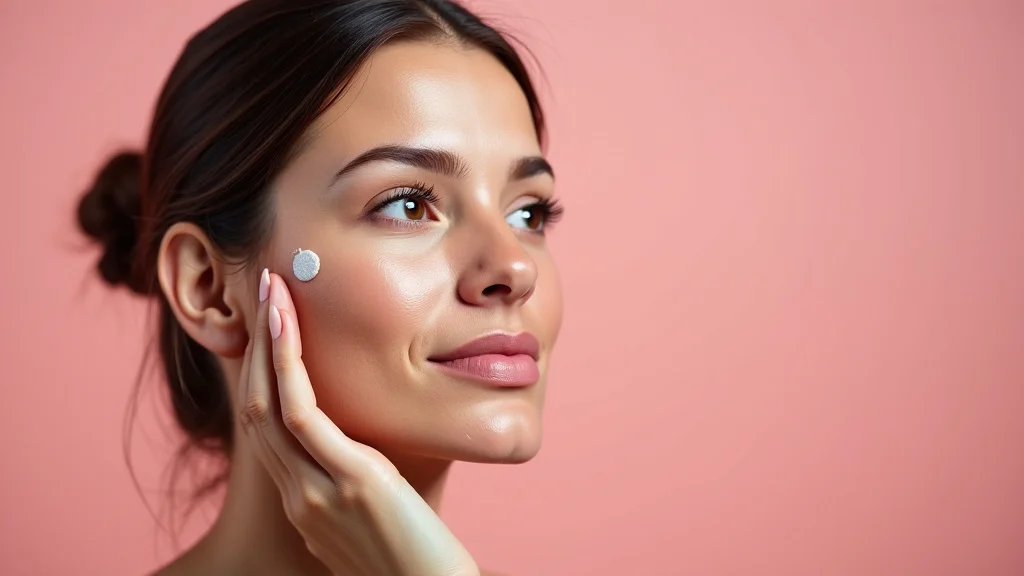
You look in the mirror and notice them again those persistent little marks that just won’t fade. Dark spots can be frustrating making your skin look uneven. It feels like no matter what you do they stick around.
This post will guide you through the effective beauty products and ingredients that actually help fade these spots. You will learn how to choose the right treatments for clearer brighter skin.
Key Takeaways
- Identify common causes of dark spots on the skin.
- Discover key ingredients that effectively treat hyperpigmentation.
- Learn about different types of beauty products designed for dark spots.
- Understand how to incorporate these products into your daily skincare routine.
- Recognize the importance of sun protection in preventing and managing dark spots.
Understanding Dark Spots
What Causes Dark Spots
Dark spots on the skin also known as hyperpigmentation happen when skin produces too much melanin. Melanin is the pigment that gives skin its color. When this pigment clusters it creates darker patches.
These spots can appear on any part of the body but are most common on areas exposed to the sun. Understanding the root cause is the first step to finding the best beauty products for dark spots.
Sun Exposure
The most common culprit behind dark spots is sun exposure. Ultraviolet UV rays from the sun trigger melanocytes the cells that produce melanin. Over time repeated sun exposure can lead to uneven melanin distribution resulting in sunspots or age spots.
These are often flat brown or black spots.
- Sun damage is cumulative. This means that even small amounts of sun exposure over many years can contribute to the development of dark spots. The skin has a memory of past sun exposure.
- Wearing sunscreen daily even on cloudy days significantly reduces the risk of new dark spots forming and prevents existing ones from getting darker. Sunscreen acts as a shield against UV radiation.
Inflammation and Injury
Sometimes dark spots appear after skin has been injured or inflamed. This is called post-inflammatory hyperpigmentation PIH. It can happen after acne breakouts cuts scrapes burns or even certain skin treatments.
The skin’s healing process can sometimes overproduce melanin.
- Acne is a very common cause of PIH especially in individuals with medium to darker skin tones. The red or brown marks left after a pimple heals are a form of hyperpigmentation.
- Picking at blemishes or scabs can worsen PIH making the spots darker and last longer. Gentle handling of the skin is crucial for preventing and reducing these marks.
Hormonal Changes
Hormonal fluctuations can also lead to hyperpigmentation. Conditions like melasma are often linked to changes in hormones. Melasma typically appears as larger patches of darkened skin often on the face such as the cheeks forehead and upper lip.
- Pregnancy is a common trigger for melasma earning it the nickname “mask of pregnancy.” Birth control pills and hormone replacement therapy can also induce melasma.
- Managing hormonal triggers is important. For some individuals this might involve consulting a doctor about their hormone therapy or birth control options.
Aging
As we age our skin’s ability to repair itself can change. Accumulated sun exposure over a lifetime also contributes to the appearance of age spots. These are essentially sunspots that become more prominent with age.
- The skin cell turnover rate slows down with age. This means old skin cells linger longer on the surface making dark spots more visible.
- Looking for products that support skin cell turnover can be beneficial for age-related hyperpigmentation. This helps reveal fresher brighter skin underneath.
Key Ingredients For Treating Dark Spots
Brightening Ingredients
Certain ingredients have shown remarkable effectiveness in reducing the appearance of dark spots. These ingredients work by inhibiting melanin production or by helping to shed pigmented skin cells. Choosing products with these powerhouses is key to addressing hyperpigmentation.
Vitamin C
Vitamin C is a potent antioxidant that brightens skin and fades dark spots. It works by inhibiting tyrosinase an enzyme needed for melanin production. It also helps protect skin from free radical damage caused by UV rays and pollution.
- There are many forms of Vitamin C but L-Ascorbic Acid is the most potent. Look for products with concentrations between 10-20% for best results.
- Vitamin C serums are popular because they are highly concentrated and easily absorbed. Applying it in the morning can provide added protection against environmental damage throughout the day.
Niacinamide
Niacinamide also known as Vitamin B3 is a multitasking ingredient. It helps reduce inflammation improve skin barrier function and significantly fade dark spots. It works by reducing the transfer of melanin to skin cells.
- Niacinamide is generally well-tolerated by most skin types including sensitive skin. It can be found in many serums moisturizers and toners.
- Its ability to improve skin texture and reduce redness makes it a great addition for overall complexion improvement alongside dark spot treatment.
Alpha Hydroxy Acids AHAs
AHAs like glycolic acid lactic acid and mandelic acid are chemical exfoliants. They work by dissolving the bonds between dead skin cells allowing them to shed more easily. This process reveals brighter skin and can fade dark spots over time.
- Glycolic acid is a smaller molecule so it penetrates deeper into the skin providing faster results but can be more irritating. Lactic acid is larger and gentler making it suitable for sensitive skin.
- Start with a low concentration and use AHAs a few times a week to avoid over-exfoliation. Always wear sunscreen when using AHAs as they can make your skin more sensitive to the sun.
Retinoids
Retinoids derived from Vitamin A are powerful ingredients for skin renewal. They increase skin cell turnover and inhibit melanin production. This makes them highly effective for treating various forms of hyperpigmentation.
- Prescription-strength retinoids like tretinoin are very effective but can cause irritation. Over-the-counter options like retinol are gentler and widely available in serums and creams.
- It is important to introduce retinoids slowly into your routine. Apply them at night and use a broad-spectrum sunscreen during the day.
Hydroquinone
Hydroquinone is a potent skin-lightening agent that inhibits melanin production. It is considered one of the most effective ingredients for treating stubborn hyperpigmentation. However it is a strong ingredient and often requires a prescription and medical supervision.
- Hydroquinone should be used cautiously and typically for limited periods to avoid side effects like ochronosis a darkening and thickening of the skin.
- Always use hydroquinone under the guidance of a dermatologist to ensure safe and effective use. Sun protection is absolutely critical when using hydroquinone.
Kojic Acid and Azelaic Acid
Kojic acid is derived from fungi and works by inhibiting tyrosinase similar to Vitamin C. Azelaic acid derived from grains has anti-inflammatory and antioxidant properties. It also helps to reduce melanin production and can be beneficial for acne-related hyperpigmentation.
- Both kojic acid and azelaic acid are often found in serums and cleansers targeting dark spots. They are generally well-tolerated.
- Azelaic acid’s anti-inflammatory properties make it particularly good for soothing skin that is prone to redness and post-acne marks.
Types of Beauty Products for Dark Spots
Serums
Serums are concentrated formulations designed to deliver potent active ingredients directly into the skin. They are excellent for targeting specific concerns like dark spots due to their high concentration of beneficial ingredients.
- Look for serums that list your chosen key ingredients like Vitamin C Niacinamide or retinoids as one of the first ingredients.
- Serums are typically applied after cleansing and before moisturizing. They absorb quickly into the skin allowing subsequent products to penetrate effectively.
Vitamin C Serums
These serums are a go-to for brightening and evening out skin tone. They fight free radicals and help fade existing dark spots while preventing new ones.
- A good Vitamin C serum will often come in a dark glass bottle to protect the ingredient from light degradation.
- When choosing a Vitamin C serum consider its stability and concentration. Formulas with L-Ascorbic Acid are generally most effective.
Niacinamide Serums
These serums are fantastic for improving overall skin health. They target dark spots redness and enlarged pores. Their gentle nature makes them suitable for daily use by most skin types.
- Niacinamide serums can be layered with other active ingredients like Vitamin C or hyaluronic acid without causing significant irritation.
- The visible improvements from niacinamide include a more even skin tone and a reduction in the appearance of blemishes.
Exfoliating Treatments
Exfoliating treatments help remove dead skin cells that can make dark spots look more prominent. This speeds up skin renewal revealing brighter skin underneath.
Chemical Exfoliants
These use acids like AHAs and BHAs to break down the bonds between dead skin cells. They are available in various forms like toners serums and pads.
- For beginners starting with a lower concentration of AHAs a few times a week is recommended.
- Chemical exfoliants are a powerful tool for tackling hyperpigmentation but require consistent use and diligent sun protection.
Physical Exfoliants Scrubs
While less common for direct dark spot treatment physical scrubs can help improve overall skin texture. They use fine granules to buff away dead skin cells. However over-scrubbing can cause irritation and worsen hyperpigmentation.
- If you choose to use a physical exfoliant opt for one with very fine particles and use it gently.
- It is often better to rely on chemical exfoliants or targeted treatments for addressing dark spots directly.
Moisturizers and Creams
Moisturizers and creams play a vital role in supporting skin health and enhancing the effectiveness of active ingredients. They keep the skin hydrated which is crucial for proper healing and renewal. Many also contain brightening agents.
- Look for moisturizers that include ingredients like niacinamide Vitamin C or ceramides to support skin barrier repair.
- Applying moisturizer after serums helps to lock in the active ingredients and prevent moisture loss.
Targeted Dark Spot Correctors
These are often thicker creams or spot treatments specifically formulated to address dark spots. They might contain higher concentrations of ingredients like hydroquinone or Kojic acid.
- These products are typically applied directly onto the dark spot for concentrated treatment.
- Always follow the product instructions carefully as some targeted treatments may require specific application methods.
Sunscreen
Sunscreen is arguably the most important product in preventing and treating dark spots. It shields your skin from UV rays that cause and worsen hyperpigmentation. Daily use is non-negotiable.
- A broad-spectrum sunscreen with SPF 30 or higher is essential. “Broad-spectrum” means it protects against both UVA and UVB rays.
- Reapply sunscreen every two hours when outdoors especially if sweating or swimming. Reapplication is key to maintaining protection.
Mineral vs Chemical Sunscreens
Mineral sunscreens use zinc oxide and titanium dioxide to physically block UV rays. Chemical sunscreens absorb UV rays and convert them into heat. Both are effective when formulated correctly.
- Mineral sunscreens are often preferred by those with sensitive skin as they are less likely to cause irritation.
- For effective protection against dark spots either type of sunscreen can work well provided it offers broad-spectrum coverage and is applied generously.
How to Build a Skincare Routine for Dark Spots
Morning Routine
Your morning routine should focus on protection and brightening. This is the time to apply antioxidants and sunscreen to defend your skin from daily environmental aggressors.
- Start with a gentle cleanser to remove any impurities from overnight.
- Apply a Vitamin C serum to brighten skin and provide antioxidant protection.
- Follow with a hydrating serum or moisturizer to keep skin plump and supple.
- Finish with a broad-spectrum sunscreen SPF 30 or higher. This is the most crucial step for preventing and treating dark spots.
Step-by-Step Morning Guide
- Cleanse your face with a mild cleanser.
- Apply a Vitamin C serum.
- Follow with your regular moisturizer.
- Apply sunscreen generously.
Evening Routine
The evening is the ideal time to use potent treatment ingredients that promote skin renewal and repair. Your skin works hard to regenerate while you sleep.
- Begin with a double cleanse if you wear makeup or sunscreen to ensure a clean canvas.
- Apply a treatment product like a retinoid or an AHA/BHA serum. Alternate these treatments on different nights to avoid over-exfoliation.
- Follow with a nourishing moisturizer to hydrate and support the skin’s overnight repair process.
Step-by-Step Evening Guide
- Cleanse your face.
- Apply a retinoid serum or an AHA/BHA exfoliant (alternate nights).
- Apply a hydrating serum if needed.
- Apply a rich moisturizer.
Weekly Treatments
Incorporate weekly treatments to boost your efforts and target stubborn dark spots. These can provide an extra layer of treatment for faster results.
- A weekly exfoliating mask or a targeted spot treatment can be very beneficial.
- Consistency is key. Even powerful treatments need time to show results.
Sample Treatment Schedule
| Day | Morning | Evening |
|---|---|---|
| Monday | Cleanse Vitamin C Serum Moisturizer Sunscreen | Cleanse Retinoid Serum Moisturizer |
| Tuesday | Cleanse Niacinamide Serum Moisturizer Sunscreen | Cleanse AHA/BHA Serum Moisturizer |
| Wednesday | Cleanse Vitamin C Serum Moisturizer Sunscreen | Cleanse Gentle Cleanser Moisturizer |
| Thursday | Cleanse Niacinamide Serum Moisturizer Sunscreen | Cleanse Retinoid Serum Moisturizer |
| Friday | Cleanse Vitamin C Serum Moisturizer Sunscreen | Cleanse AHA/BHA Serum Moisturizer |
| Saturday | Cleanse Hydrating Serum Moisturizer Sunscreen | Apply a brightening mask (15-20 mins) then Moisturizer |
| Sunday | Cleanse Gentle Cleanser Moisturizer Sunscreen | Cleanse Hydrating Serum Moisturizer |
Real-Life Examples and Results
Many people have seen significant improvements in their dark spots by using the right products and sticking to a routine. Consider the case of Sarah a 35-year-old who struggled with acne scars. After consistently using a Vitamin C serum in the morning and a retinol product at night for three months she noticed a visible fading of her post-inflammatory hyperpigmentation.
Her skin tone became much more even and luminous.
Another example is Mark a 45-year-old who developed sunspots on his cheeks and forehead. He incorporated a daily broad-spectrum SPF 50 sunscreen and a nightly azelaic acid treatment. Within six months the intensity of his sunspots reduced noticeably and new spots did not appear.
This highlights the importance of both protection and targeted treatment.
One study published in the Journal of Cosmetic Dermatology found that a combination of glycolic acid and Vitamin C in a daily regimen led to a statistically significant reduction in hyperpigmentation within 12 weeks. Participants reported improved skin brightness and a smoother texture. The synergy between these ingredients proved more effective than using either alone.
Common Myths Debunked
Myth 1: Dark spots will disappear on their own quickly.
While mild hyperpigmentation might fade over time significant dark spots often require targeted treatment. Skin cell turnover is a slow process and without help fading can take many months or even years. Consistent use of effective ingredients like Vitamin C or retinoids can accelerate this process.
Myth 2: All brightening products are the same.
The term “brightening” can be vague. Not all products labeled as such contain the most effective ingredients for treating dark spots. It is crucial to look for scientifically proven ingredients like Vitamin C niacinamide retinoids AHAs and hydroquinone.
Different ingredients target different aspects of hyperpigmentation.
Myth 3: You only need sunscreen if it’s sunny outside.
UV rays penetrate clouds and glass windows. Even on cloudy days or when indoors near a window, your skin is exposed to damaging UVA rays which contribute to hyperpigmentation and premature aging. Daily sunscreen application is a must regardless of the weather.
Myth 4: Exfoliating too much will make dark spots go away faster.
Over-exfoliation can strip the skin’s natural barrier leading to irritation redness and inflammation. This can actually worsen hyperpigmentation and make dark spots more noticeable. Gentle consistent exfoliation is more effective and safer for treating dark spots.
Frequently Asked Questions
Question: How long does it typically take to see results for dark spots
Answer: It can take anywhere from 4 to 12 weeks to start seeing noticeable improvements in dark spots with consistent use of targeted products. Stubborn spots may require longer treatment periods.
Question: Can I use multiple treatment products at once
Answer: While it is possible to layer some treatments like Vitamin C and niacinamide it is important to introduce potent actives like retinoids and AHAs gradually and often on alternate nights to avoid irritation.
Question: Are dark spots permanent
Answer: Many types of dark spots are not permanent and can be significantly lightened or faded with the right skincare approach and consistent sun protection. However some severe or deep-rooted hyperpigmentation may be more challenging to treat completely.
Question: Can makeup cover dark spots effectively
Answer: Yes makeup like concealer and foundation can effectively cover dark spots providing an immediate cosmetic improvement. However this is a temporary solution and does not treat the underlying pigmentation.
Question: Is it okay to use these products if I have sensitive skin
Answer: Many ingredients like niacinamide and Vitamin C can be formulated for sensitive skin. It is best to start with lower concentrations patch test new products and consult with a dermatologist if you have significant concerns.
Wrap Up
Effectively treating dark spots involves consistent use of the right beauty products. Focus on ingredients like Vitamin C niacinamide AHAs and retinoids and always prioritize daily sunscreen. Your skin will thank you with a brighter more even tone.
Leave a Reply