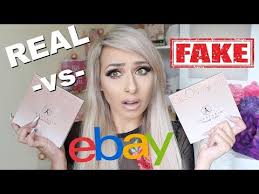
You see that amazing deal on your favorite serum, listed on eBay. It’s significantly cheaper than you’ve ever seen it. Your mind races, wondering if it’s a genuine steal or a fake.
This is a common dilemma for many online shoppers. Navigating the world of online marketplaces for beauty products can be tricky, leaving you questioning the legitimacy of your purchases. This guide will help you understand how to determine if are beauty products on eBay authentic.
You will learn how to spot fakes, what to look for in sellers, and how to shop with confidence, ensuring you get the real deal every time.
Key Takeaways
- Understand the common signs of counterfeit beauty products.
- Learn how to assess the trustworthiness of eBay sellers.
- Discover the protective measures eBay offers to buyers.
- Develop strategies for verifying product authenticity.
- Know when to report suspicious listings or sellers.
Authenticity Of Beauty Products On Ebay
Many shoppers are concerned about whether are beauty products on eBay authentic. The truth is, eBay is a marketplace with millions of items sold by various sellers, from large retailers to individual consumers. This variety means you can find genuine products, but also a risk of encountering counterfeits.
Sellers can be authorized distributors, individuals clearing out their stock, or unfortunately, those trying to profit from fake goods. The platform itself has policies against counterfeit items, but it relies on buyers and sellers to report issues. Therefore, a buyer’s vigilance is key.
The appeal of eBay lies in its potential for great deals. Sometimes, products are listed at prices significantly lower than retail. This can be due to bulk purchases, promotions, or simply because a seller wants to offload inventory.
However, exceptionally low prices can also be a red flag, hinting that the product might not be genuine. It’s essential to weigh the price against other authenticity indicators.
Understanding Counterfeit Beauty Products
Counterfeit beauty products are fake versions of genuine items. They are made to look like the real thing but are produced with lower quality ingredients, poor manufacturing standards, and often without the rigorous safety testing that authentic products undergo. These fakes can be harmful, causing skin irritation, allergic reactions, or even more serious health issues.
They may contain dangerous chemicals or ingredients not listed on the packaging.
Identifying these fakes requires attention to detail. Packaging is often the first clue. Counterfeits might have printing errors, misspellings, inconsistent fonts, or a different shade of color compared to the original packaging.
The product itself can also reveal its fakeness. Differences in texture, scent, color, or consistency can all be indicators. For example, a foundation might be too watery, a lipstick might have a waxy smell, or a skincare product might not lather as expected.
- Packaging Differences
- Product Inconsistencies
- Ingredient Scrutiny
Original beauty products are usually manufactured with high-quality materials and precise printing. Counterfeits often cut corners. Look for blurry logos, uneven printing, incorrect spelling on the box or bottle, and inconsistent shades of color compared to what you know of the authentic product.
Sometimes, the seals or shrink wrap might be of poor quality or appear to have been tampered with. The weight and feel of the packaging can also be a giveaway; fakes might feel lighter or flimsier.
Beyond the packaging, the product inside is a crucial indicator. Authentic serums might have a specific viscosity, while a fake could be too thin or too thick. The color of a lipstick might be slightly off, or the scent of a perfume could be weaker or contain different notes.
Skincare products might not perform as expected, like failing to lather or leaving a residue. Even the applicator or brush for makeup can feel cheaper or less effective on a counterfeit item.
While it’s hard to know every ingredient in a fake, some counterfeit products use ingredients that are known to be harmful or are simply not used by legitimate brands. Researching the ingredients of your favorite products can help. If the ingredient list on an eBay listing looks significantly different or is missing key components, it’s a strong sign of a fake.
Authentic brands often list their ingredients clearly on their packaging or website.
Spotting Fake Listings
When browsing eBay, certain listing characteristics can signal a potential counterfeit product. A very low price that seems too good to be true is often the first alarm. Sellers who use generic or stock photos instead of actual product images can also be suspicious.
These sellers may not have the product in hand or are trying to hide imperfections. Pay attention to the description too. Vague descriptions or claims of “inspired by” a brand rather than stating it is the brand can be red flags.
Also, consider the quantity of items available. If a seller has hundreds of a hard-to-find or limited-edition product, it might suggest they are dealing in replicas. Authentic limited editions are usually scarce.
Look for listings that lack detailed information about the product’s origin, expiry date, or batch codes, which legitimate sellers usually provide.
Evaluating eBay Sellers
The seller is as important as the product itself when determining authenticity. eBay provides tools to help you evaluate sellers. A seller’s feedback score and the number of positive reviews are excellent indicators of their reliability.
Sellers with a high percentage of positive feedback are generally trustworthy.
Look at the comments left by other buyers. Do they mention receiving genuine products, or are there complaints about fakes? Pay attention to reviews specifically about beauty items if the seller offers a variety of goods.
A seller who consistently receives positive comments about the authenticity and quality of their beauty products is likely a safe bet.
Seller Feedback And Ratings
When you click on a seller’s username on eBay, you can view their feedback profile. This profile shows their overall feedback percentage and individual ratings for different categories. Look for sellers who have been active on eBay for a while and have a large number of transactions.
A history of consistent positive feedback suggests reliability.
If a seller has recent negative feedback related to authenticity, it’s a major warning sign. Read these negative reviews to understand the specific issues other buyers encountered. Some sellers might have a high feedback score but a pattern of negative comments on beauty products.
This requires closer inspection.
- Positive Feedback Percentage
- Detailed Seller Ratings
- Seller History
A seller with a feedback score of 98% or higher is generally considered good. However, even with a high percentage, it’s important to read recent feedback. A seller might have a great history but start selling fakes recently.
Look for consistent positive reviews over time.
eBay also provides Detailed Seller Ratings (DSRs) that allow buyers to rate sellers on aspects like item as described, communication, shipping time, and shipping and handling charges. High DSRs in the “Item as described” category are crucial when buying beauty products. This rating directly reflects how well the product matched the listing.
Consider how long the seller has been a member of eBay and how many items they’ve sold. A long-standing seller with thousands of transactions who maintains a high feedback score is usually more reliable than a brand-new account with few sales. New accounts can sometimes be created to sell counterfeit goods before they are flagged.
Communication With Sellers
Don’t hesitate to message the seller if you have questions about a product. Ask them about the product’s origin, batch codes, or expiry dates. Legitimate sellers should be able to provide this information or direct you to where you can find it.
If a seller is evasive, dismissive, or unwilling to answer your questions, it’s a strong indicator that they might be hiding something.
For example, if you’re looking at a popular foundation and want to confirm it’s the correct shade, a good seller will tell you the shade name as listed on the product. If they simply say “it’s the one in the photo” or don’t respond, proceed with caution. Direct questions can often reveal a seller’s legitimacy.
eBay Buyer Protection
eBay has robust buyer protection policies designed to safeguard you from dishonest sellers. The primary policy is the eBay Money Back Guarantee. If you receive an item that is not as described, or if it doesn’t arrive, this guarantee can help you get your money back.
Understanding how this guarantee works is essential for shopping with confidence. It covers situations where you receive a counterfeit item, as a counterfeit is considered “not as described.” By knowing your rights and how to use eBay’s dispute resolution process, you can shop more securely.
The eBay Money Back Guarantee
The eBay Money Back Guarantee ensures that buyers receive the item they ordered or get their money back. It covers most purchases on eBay. If a buyer reports an issue within 30 days of the estimated or actual delivery date, eBay will step in to help resolve the problem.
This is your primary line of defense against receiving counterfeit beauty products.
To initiate a return under the Money Back Guarantee, you typically start by contacting the seller through the eBay platform. If you and the seller can’t reach a resolution, you can ask eBay to step in and make a decision. eBay will investigate the case, and if they find in your favor, you will be issued a refund.
This process is designed to be fair to both buyers and sellers, but it heavily favors the buyer when clear evidence of a fake product is presented.
- When to Use the Guarantee
- How to Initiate a Return
- Gathering Evidence
You should use the eBay Money Back Guarantee if you receive a product that is clearly counterfeit. This means the item is a fake version of the brand you intended to buy. It also applies if the product is significantly different from the description in the listing, or if it doesn’t arrive at all.
For beauty products, significant differences can include incorrect color, texture, scent, or visible signs of poor quality that are not mentioned in the listing.
To start a return, go to your purchase history and select “Return this item.” You’ll need to choose a reason for the return, such as “Item is counterfeit” or “Item is not as described.” Provide as much detail as possible in your explanation, and upload any supporting evidence you have, such as photos of the product and its packaging. Follow eBay’s instructions carefully.
To strengthen your claim, gather evidence. Take clear photos of the product you received, highlighting any differences from what was advertised or from your experience with authentic products. If possible, compare the received item side-by-side with a known authentic product.
Keep all original packaging, receipts (if any), and your communication with the seller. This evidence is crucial if eBay needs to step in.
Reporting Counterfeit Items
If you suspect a listing or a seller is dealing in counterfeit beauty products, it’s important to report it to eBay. Reporting helps eBay identify and remove fraudulent listings, protecting other buyers. You can report a listing directly from the item page.
There is usually a link like “Report item” or “Report this listing” which leads to a form where you can specify the reason for your report.
Choosing “Intellectual Property Violation” or “Counterfeit” as the reason is appropriate. Providing details about why you believe the item is fake can assist eBay’s investigative team. This proactive step contributes to a safer marketplace for everyone.
Tips for Ensuring Product Authenticity
Beyond relying on seller feedback and buyer protection, there are proactive steps you can take to increase your chances of buying authentic beauty products. Educating yourself about the brands you love and knowing the signs of counterfeits is your first line of defense. Comparing prices, checking seller reputations, and scrutinizing product details are all part of smart shopping.
Always buy from sellers with a strong history of positive feedback for selling beauty products. Look for sellers who are authorized dealers or official brand representatives if possible. This significantly reduces the risk of encountering fakes.
Sometimes, the price difference might be small but worth the peace of mind.
Comparing Prices
While incredibly low prices can be tempting, they are often the biggest red flag for counterfeit items. Do your research on the typical retail price of the beauty product you want. Compare prices across different authorized retailers.
If you find a listing on eBay that is drastically cheaper than everywhere else, it’s worth being very suspicious.
However, not all low prices mean a fake. Sometimes, sellers might be having a clearance sale, or they are selling items that are close to their expiry date. But when the discount is unusually steep, it’s a signal to investigate further.
A price that is slightly lower than retail is more believable than one that is 70-80% off.
| Scenario | Typical Retail Price | eBay Listing Price | Authenticity Risk |
|---|---|---|---|
| Popular Moisturizer A | $45 | $40 | Low |
| Limited Edition Lipstick B | $30 | $15 | Medium to High |
| High-End Foundation C | $70 | $20 | Very High |
The table above illustrates how price discrepancies can indicate risk. A small discount (like Moisturizer A) is common. A larger discount (like Lipstick B) warrants more scrutiny.
A price that’s a fraction of the original (like Foundation C) is highly suspect and likely counterfeit.
Checking Product Details
Always read the full product description carefully. Look for details about the product’s origin, manufacturing date, and expiration date. Authentic products will usually have batch codes or lot numbers printed on the packaging, which can sometimes be used to verify authenticity with the brand.
If these details are missing or vague in the listing, proceed with extreme caution.
For example, a genuine skincare product might specify “best by 12/2025” or have a small symbol indicating its shelf life after opening. Counterfeits often overlook these fine details. If the seller claims the product is new, but the packaging looks old or damaged, that’s another sign to be wary of.
- Batch Codes and Expiry Dates
- Product Images
- Product Reviews on eBay
Many brands use batch codes, a series of letters and numbers, to track their products and ensure quality control. While not all brands display them prominently, their absence or an unusual format can be a clue. Similarly, expiry dates are critical for beauty products, especially skincare and makeup, as expired items can be ineffective or harmful.
If a seller doesn’t provide information about these, it’s a concern.
Examine the product images very closely. Are they high-resolution? Do they show all sides of the product and its packaging?
If the seller uses generic stock photos or blurry images, it might be an attempt to hide the product’s true appearance. Compare the images in the listing to official product photos on the brand’s website. Look for any discrepancies in the packaging design, logo placement, font, or color.
While seller feedback is important, also look for product-specific reviews on eBay if available. Buyers sometimes leave reviews about the actual product they received. If multiple buyers mention receiving a fake or a product that was different from what they expected, it’s a clear warning.
Buying Directly From Brands or Authorized Retailers
The safest way to ensure you are buying authentic beauty products is to purchase them directly from the brand’s official website or from authorized retailers. Many brands now have their own online stores. If you find a product you love, consider bookmarking the brand’s official site for future purchases.
Authorized retailers are stores that have a direct agreement with the brand to sell their products. This includes major department stores, reputable beauty retailers like Sephora or Ulta, and well-known online beauty stores. While prices might be higher than on eBay, the guarantee of authenticity is absolute.
If you are unsure about a retailer’s authorization, you can often check the brand’s website for a list of official stockists.
Common Myths Debunked
Myth 1: All items on eBay are genuine.
This is a common misconception. eBay is a vast marketplace with millions of listings. While many sellers offer authentic products, the platform also has listings for counterfeit or replica items.
It is crucial for buyers to exercise caution and do their due diligence regardless of the platform.
Myth 2: If a seller has good feedback, their products are guaranteed authentic.
Good feedback is a strong indicator, but not an absolute guarantee. Some sellers might have a long history of positive feedback but may have recently started selling counterfeits, or their definition of “authentic” might differ. It’s important to look at recent feedback and specific comments related to the products you are interested in.
Myth 3: Very low prices are always for fake products.
While exceptionally low prices are suspicious, not all discounted items are fake. Sometimes sellers offer genuine products at a discount due to overstock, promotions, or items nearing their expiry date. However, extremely low prices compared to retail should prompt extra scrutiny.
Myth 4: eBay always protects buyers from fakes.
eBay’s Money Back Guarantee is a strong protection, but it requires the buyer to actively report issues and provide evidence. eBay doesn’t automatically scan every listing for authenticity. Buyers need to be vigilant, report suspicious items, and utilize the protection system when necessary.
Frequently Asked Questions
Question: How can I tell if a beauty product on eBay is fake by looking at the packaging?
Answer: Look for misspellings, blurry logos, inconsistent font sizes or colors, and poor-quality materials. The shrink wrap or seals might also appear flimsy or tampered with. Genuine packaging is usually precise and high-quality.
Question: What should I do if I receive a counterfeit beauty product from an eBay seller?
Answer: First, contact the seller to arrange a return. If the seller is uncooperative, open a case with eBay through the Money Back Guarantee. Provide clear evidence of the counterfeit nature of the product.
Question: Are all high-end or luxury beauty brands at higher risk of being counterfeited on eBay?
Answer: Yes, luxury and high-demand beauty brands are often targeted by counterfeiters because there is a greater market for them. Be extra cautious when purchasing these items.
Question: Can I trust a seller who claims their products are “tester” or “unboxed” items?
Answer: While some legitimate sellers offer tester or unboxed items, this can also be a cover for counterfeits. Always verify the seller’s reputation and look for signs of authenticity, just as you would with any other product.
Question: How can I find out if a seller is an authorized dealer of a specific beauty brand?
Answer: You can usually find a list of authorized retailers on the brand’s official website. If the seller is not listed there, they are likely not an authorized dealer.
Conclusion
When considering are beauty products on eBay authentic, remember that vigilance is key. By scrutinizing packaging, checking seller feedback, understanding eBay’s buyer protection, and comparing prices, you can significantly reduce your risk. Always prioritize purchasing from reputable sellers or directly from brands when possible for ultimate peace of mind.