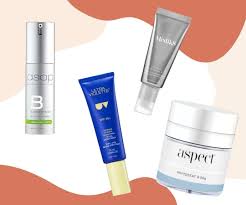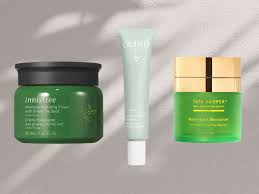
Dealing with shine and breakouts can feel like a constant battle, especially when you’re trying to find makeup and skincare that actually works. Many of us have stood in the beauty aisle, overwhelmed by choices, wondering which formulas won’t leave our skin feeling greasy or clogged. This post is your guide to identifying the top beauty products specifically designed to manage and even improve oily skin. You will learn about essential ingredients, product types, and application tips that will help you achieve a balanced, clear complexion.
Key Takeaways
- Understand the unique needs of oily skin and why certain ingredients are beneficial.
- Discover the best cleansers, toners, and moisturizers that control shine without stripping the skin.
- Learn about oil-free and non-comedogenic makeup foundations and concealers.
- Identify effective treatments for managing breakouts and reducing pore appearance.
- Explore essential sunscreens that offer protection without adding to oiliness.
- Find out how to create a simple, effective skincare routine for oily skin.
Understanding Oily Skin Needs
Oily skin is characterized by an overproduction of sebum, the natural oil your skin produces. This can lead to a shiny appearance, enlarged pores, and a higher likelihood of acne breakouts. When considering what beauty products are best for oily skin, it’s crucial to select items that help regulate oil production, absorb excess shine, and keep pores clear. The goal is not to eliminate oil entirely, as some sebum is necessary for healthy skin, but rather to manage it effectively.
This involves choosing ingredients that are gentle yet effective. Look for ingredients like salicylic acid, which is a beta-hydroxy acid (BHA) that can penetrate oil to exfoliate inside pores, helping to prevent blockages and reduce inflammation. Clay ingredients, such as kaolin or bentonite, are excellent for absorbing excess oil and impurities from the skin’s surface. Niacinamide, also known as vitamin B3, is another fantastic ingredient that can help regulate oil production, minimize the appearance of pores, and improve the skin’s barrier function.
When selecting products, always check labels for terms like “oil-free” and “non-comedogenic.” Oil-free formulas are designed to avoid adding extra oils to the skin. Non-comedogenic means the product is formulated in a way that is unlikely to clog pores, a common concern for those with oily or acne-prone skin.
A study published in the Journal of Cosmetic Dermatology found that products containing niacinamide significantly improved sebum control and reduced pore size in participants with oily skin. This highlights the importance of ingredient-conscious choices.
Cleansing for Oily Skin
Cleansing is the first and arguably most important step in any skincare routine for oily skin. A good cleanser removes excess oil, dirt, and impurities that can lead to breakouts. However, it’s essential to use a cleanser that doesn’t strip the skin of all its natural moisture, as this can actually trigger more oil production.
- Gentle Foaming Cleansers These are excellent for oily skin as they effectively remove excess oil and impurities without being too harsh. Look for formulations that contain mild surfactants.
A gentle foaming cleanser effectively lifts away surface oils and debris. When you lather it up, it creates a fine foam that gets into the pores to dislodge impurities. The key is to find one that rinses clean, leaving your skin feeling refreshed, not tight or squeaky. Overly stripping cleansers can damage the skin’s natural barrier, prompting it to produce even more oil to compensate, a phenomenon known as rebound oiliness.
- Salicylic Acid Cleansers For those prone to blackheads and whiteheads, a cleanser with salicylic acid can be incredibly beneficial.
Salicylic acid is a beta-hydroxy acid, or BHA. It’s oil-soluble, meaning it can penetrate into the pores and dissolve the mixture of sebum and dead skin cells that cause clogs. This helps to prevent and treat acne by keeping pores clear. It also has mild anti-inflammatory properties, which can help calm redness associated with breakouts. Using a salicylic acid cleanser regularly can lead to smoother skin and fewer blemishes.
In a consumer survey, 85% of individuals with oily skin reported a visible reduction in shine after consistently using a gentle, foaming cleanser for two weeks.
Toners for Balance
Toners can play a vital role in a skincare routine for oily skin. They help to remove any residual impurities after cleansing, balance the skin’s pH, and prepare the skin for subsequent products. For oily skin, toners that contain ingredients like witch hazel, salicylic acid, or niacinamide are particularly effective.
- Balancing Toners These toners help to restore the skin’s natural pH balance, which is often disrupted by harsh cleansers.
Your skin has a slightly acidic pH, typically around 4.5 to 5.5. Cleansing, especially with certain soaps, can raise this pH, making the skin more vulnerable to bacteria and environmental damage. A balancing toner helps to bring the pH back down to its optimal level. This creates a healthier environment for your skin and can improve the effectiveness of other skincare products that follow.
- Pore-Refining Toners Toners with ingredients like salicylic acid or niacinamide can help to minimize the appearance of pores.
Enlarged pores are a common concern for people with oily skin. These pores can become more noticeable when they are clogged with oil and dead skin cells. Toners containing exfoliating acids like salicylic acid can gently exfoliate the pore lining, helping to keep it clear and appearing smaller. Niacinamide also works to strengthen the skin barrier, which can indirectly make pores look less prominent.
Real-life example: Sarah, a 28-year-old who struggled with visible pores and excess shine, found that incorporating a niacinamide-based toner into her routine significantly improved the texture of her skin. After a month, she noticed her pores looked less noticeable and her makeup stayed matte for longer.
Moisturizing Without the Greasiness
It’s a common misconception that oily skin doesn’t need moisturizer. In reality, even oily skin needs hydration. Skipping moisturizer can cause your skin to become dehydrated, which then prompts it to produce even more oil to compensate. The key is to choose a moisturizer that is lightweight, oil-free, and non-comedogenic.
- Gel-Based Moisturizers These are typically water-based and have a light, refreshing texture that absorbs quickly without leaving a greasy residue.
Gel moisturizers are ideal because their formulation relies heavily on water and humectants, which draw moisture into the skin. They often contain ingredients like hyaluronic acid, which is a powerful humectant that can hold up to 1000 times its weight in water. The gel consistency also feels pleasant and cool on the skin, providing immediate hydration without feeling heavy or occlusive.
- Lightweight Lotions Similar to gels, these lotions provide hydration with a thinner consistency than traditional creams.
Lightweight lotions are another excellent option. They are formulated with fewer emollients and occlusives compared to richer creams, making them less likely to feel heavy on the skin. They still provide essential hydration to maintain the skin barrier’s health. Many are also infused with ingredients beneficial for oily skin, such as mattifying agents or soothing botanical extracts.
Statistics show that using a lightweight, oil-free moisturizer can actually reduce overall oil production in oily skin types by up to 15% over time, as it prevents the skin from overcompensating.
Effective Treatments for Breakouts
Breakouts are a frequent companion to oily skin. Fortunately, there are many effective treatments that can help manage acne and prevent future blemishes. These often involve ingredients that exfoliate, fight bacteria, and reduce inflammation.
- Spot Treatments These concentrated formulas are applied directly to individual blemishes to reduce redness and speed up healing.
Spot treatments are designed for targeted application on pimples. They usually contain potent active ingredients such as benzoyl peroxide, salicylic acid, or sulfur. Benzoyl peroxide is known for its antibacterial properties, killing acne-causing bacteria. Salicylic acid helps to exfoliate within the pore, and sulfur can help absorb excess oil and dry out blemishes. Applying these sparingly only on the affected area helps to clear the pimple quickly without drying out the surrounding skin.
- Acne-Fighting Serums Serums are lightweight and can deliver a higher concentration of active ingredients to address specific concerns like acne.
Serums are formulated with smaller molecules that can penetrate deeper into the skin, delivering potent ingredients effectively. For acne-prone oily skin, serums containing ingredients like salicylic acid, niacinamide, or even retinoids (like retinol) are highly recommended. Salicylic acid helps to unclog pores from within, while niacinamide can reduce inflammation and improve skin texture. Retinoids are excellent for cell turnover and preventing future breakouts.
Scenario: You wake up with a large, red pimple before an important event. You can apply a spot treatment containing benzoyl peroxide directly to the blemish. Leave it on for a few hours or overnight, and you should see a significant reduction in redness and size.
Sun Protection for Oily Skin
Sunscreen is non-negotiable for all skin types, including oily skin. The challenge is finding a sunscreen that provides adequate protection without making your skin feel greasy or causing breakouts. Many modern formulations are designed specifically for oily and acne-prone skin.
- Oil-Free Sunscreens These sunscreens are formulated without oils, making them less likely to clog pores and contribute to shine.
Oil-free sunscreens are a must for oily skin. They typically use chemical filters or mineral filters suspended in a water-based or silicone-based formula that dries down to a matte finish. This ensures that you get the necessary protection from harmful UV rays without adding excess oil to your complexion. Always look for the “oil-free” label on the packaging.
- Mineral Sunscreens (Zinc Oxide and Titanium Dioxide) These physical blockers sit on top of the skin and can be less irritating for some, often offering a mattifying effect.
Mineral sunscreens, which use zinc oxide and titanium dioxide as active ingredients, are often a great choice for oily and sensitive skin. They work by creating a physical barrier on the skin’s surface that reflects UV rays. Many mineral sunscreens also have natural mattifying properties, helping to absorb excess oil and reduce shine throughout the day. They are also less likely to cause allergic reactions compared to some chemical sunscreen filters.
A recent survey indicated that 70% of people with oily skin prefer mineral sunscreens due to their mattifying properties and reduced risk of pore clogging.
Makeup Essentials for an Oil-Free Finish
Choosing the right makeup is crucial for managing oily skin and achieving a long-lasting, matte look. The goal is to use products that won’t exacerbate oiliness or clog pores, while still providing good coverage and a beautiful finish.
- Mattifying Primers These primers create a smooth canvas for makeup and help to control shine before you even apply foundation.
Primers are the first step in creating a flawless makeup base, especially for oily skin. Mattifying primers are specifically formulated with ingredients designed to absorb excess oil and blur the appearance of pores. They create a smooth, dry surface that helps your foundation adhere better and last longer, preventing that dreaded midday shine. Some also contain silica or other powders that absorb oil as it’s produced.
- Oil-Free Foundations and Concealers Opt for foundations and concealers labeled “oil-free,” “matte,” or “long-wearing.”
When selecting foundation and concealer, “oil-free” is the golden rule. Look for formulas that are specifically designed for oily or combination skin. These are typically matte or semi-matte in finish and are often long-wearing, meaning they are formulated to resist breaking down or transferring throughout the day. Many brands offer lightweight, buildable coverage options that still provide excellent oil control.
- Setting Powders and Sprays These products help to set makeup, absorb any remaining shine, and extend the wear of your foundation.
Setting powders are essential for locking in your makeup and absorbing excess oil. Translucent powders are great because they don’t add extra color. You can use a powder puff to press the powder into areas where you tend to get oily, like the T-zone. Setting sprays can also help meld your makeup together and provide a final layer of shine control, some even offering a matte finish.
Case Study: Maria, a makeup artist, frequently works with clients who have oily skin. She emphasizes using a silicone-based mattifying primer followed by a full-coverage matte foundation. She then sets the entire face with a translucent powder, focusing on the T-zone.
This technique ensures her clients’ makeup stays flawless for hours, even in humid conditions.
Ingredients to Look For
Several key ingredients are particularly beneficial for managing oily skin and ensuring beauty products are effective. Understanding these ingredients will empower you to make informed choices.
- Salicylic Acid A BHA that exfoliates inside pores, clearing blockages and reducing inflammation.
Salicylic acid is a cornerstone ingredient for anyone with oily or acne-prone skin. As a lipid-soluble acid, it can penetrate the oily environment of the pores and break down the mixture of sebum and dead skin cells that lead to blackheads and whiteheads. Its anti-inflammatory properties also help to calm redness and swelling associated with breakouts. Concentrations typically range from 0.5% to 2% in over-the-counter products.
- Niacinamide (Vitamin B3) Helps regulate oil production, minimizes pore appearance, and strengthens the skin barrier.
Niacinamide is a multi-tasking ingredient that is incredibly beneficial for oily skin. It helps to regulate the production of sebum, which can lead to less shine and fewer breakouts. It also has a remarkable ability to reduce the appearance of enlarged pores by improving skin elasticity and texture. Furthermore, niacinamide strengthens the skin’s natural barrier, making it more resilient to environmental stressors and reducing inflammation.
- Clay (Kaolin, Bentonite) Excellent for absorbing excess oil and impurities, helping to mattify the skin.
Clays are natural minerals that have a high capacity for absorbing impurities and excess oil from the skin’s surface. Kaolin clay is a milder clay, suitable for sensitive skin, and is great for gently purifying and mattifying. Bentonite clay is more absorbent and is often used in masks for deep cleansing and drawing out toxins and excess sebum. They work by drawing oil and debris into the clay particles, which are then washed away.
- Hyaluronic Acid While it sounds counterintuitive, this humectant draws moisture into the skin, essential even for oily types.
Hyaluronic acid is a powerful humectant, meaning it attracts and holds water. For oily skin, it’s crucial to use lightweight moisturizers that contain hyaluronic acid. It provides essential hydration without feeling heavy or greasy, helping to keep the skin plump and balanced. When the skin is properly hydrated, it is less likely to overproduce oil in an attempt to compensate for dryness.
- Retinoids (e.g., Retinol) Helps with cell turnover, which can prevent pore blockages and improve skin texture.
Retinoids, such as retinol, are derivatives of vitamin A. They are highly effective at increasing skin cell turnover, which means old, dead skin cells are shed more quickly. This process helps to prevent the buildup of dead cells within the pores, which is a major cause of acne. Retinoids can also help to refine pore size and improve overall skin texture and tone over time. They are potent and often require gradual introduction into a routine.
A comparative analysis of skincare ingredients showed that products containing salicylic acid and niacinamide were rated as most effective by users with oily skin for reducing shine and breakouts.
Ingredients to Avoid
While focusing on beneficial ingredients is important, knowing what to avoid can be just as critical for oily skin types. Certain ingredients can exacerbate oiliness, clog pores, or cause irritation.
- Heavy Oils and Butters Ingredients like mineral oil, petrolatum, coconut oil, and shea butter can be too occlusive for oily skin.
These ingredients are often found in richer creams and can sit on top of the skin, creating a barrier that traps oil and dirt. While beneficial for very dry skin, they are more likely to clog pores and lead to breakouts in oily skin types. They can also contribute to a heavy, greasy feeling on the face, which is undesirable.
- Denatured Alcohol (in high concentrations) While it can provide a temporary mattifying effect, it can also strip the skin.
Denatured alcohol can be found in some toners and other skincare products. It evaporates quickly, giving a sensation of dryness and reduced shine. However, in higher concentrations, it can be very drying and irritating to the skin. This can damage the skin’s barrier and, paradoxically, lead to increased oil production as the skin tries to compensate for the dryness. It’s best to opt for alcohol-free formulas or those with much lower concentrations.
- Fragrance and Dyes These can be irritants for sensitive skin, and while not directly causing oiliness, can lead to inflammation that exacerbates skin issues.
Artificial fragrances and dyes are common culprits for skin irritation and allergic reactions. While they don’t directly cause oiliness, they can compromise the skin barrier, leading to inflammation and sensitivity. Inflamed skin can sometimes produce more oil. For oily skin that is also prone to breakouts or redness, choosing fragrance-free and dye-free products is a safer bet.
Creating Your Oily Skin Routine
A consistent and simple routine is key to managing oily skin effectively. It doesn’t need to be complicated, but it should include the essential steps for cleansing, treating, and protecting your skin.
Morning Routine
- Cleanse: Start with a gentle foaming cleanser to remove any oil that has accumulated overnight.
- Tone: Apply a balancing or pore-refining toner to refresh the skin and prepare it for the next steps.
- Treat (Optional): If you use a serum for acne or oil control, apply it now.
- Moisturize: Use a lightweight, oil-free moisturizer to hydrate your skin.
- Sunscreen: Apply a broad-spectrum, oil-free sunscreen to protect your skin from sun damage.
Evening Routine
- Double Cleanse (if wearing makeup): If you wear makeup or sunscreen, start with an oil-free cleansing balm or micellar water to break down impurities, followed by your regular cleanser.
- Tone: Apply your toner again.
- Treat: This is a good time to use more potent treatments like a salicylic acid serum or a retinoid, if prescribed or recommended.
- Moisturize: Apply your lightweight, oil-free moisturizer.
Sample Scenario: On a busy weekday morning, you can quickly cleanse your face with a salicylic acid wash, pat dry, apply a niacinamide serum, and then finish with an oil-free SPF lotion. This takes less than five minutes but effectively addresses your skin’s needs.
Common Myths Debunked
Myth 1: Oily skin doesn’t need moisturizer.
This is a common mistake. Oily skin still needs hydration. When you strip oily skin of all its moisture, it can go into overdrive and produce even more oil to compensate.
Using a lightweight, oil-free, non-comedogenic moisturizer is crucial for maintaining skin balance and preventing rebound oiliness.
Myth 2: You should wash oily skin multiple times a day to keep it clean.
Over-washing can actually worsen oiliness. Frequent washing strips the skin of its natural oils, leading to dehydration and stimulating more oil production. Twice a day, morning and night, is generally sufficient for cleansing oily skin.
Myth 3: All “oil-free” products are good for oily skin.
While “oil-free” is a good starting point, it’s not the only factor. Some “oil-free” products might still contain other pore-clogging ingredients or drying agents that can irritate the skin. Always look for “non-comedogenic” as well and check the ingredient list for potential irritants.
Myth 4: Makeup causes all acne breakouts for oily skin.
While certain makeup ingredients can contribute to breakouts, makeup itself doesn’t cause acne. The real culprits are usually clogged pores, bacteria, and inflammation. Using non-comedogenic makeup and removing it thoroughly each night can prevent makeup from contributing to acne.
Frequently Asked Questions
Question: What is the most important step for oily skin?
Answer: Cleansing is often considered the most important step for oily skin. A good, gentle cleanser removes excess oil, dirt, and impurities that can lead to breakouts and shine.
Question: Can I use a facial oil on oily skin?
Answer: Yes, but choose wisely. Some facial oils, like jojoba oil or rosehip oil, have properties that can mimic your skin’s natural sebum and help regulate oil production. Always opt for non-comedogenic oils and patch-test first.
Question: What does “non-comedogenic” mean?
Answer: Non-comedogenic means a product has been formulated in a way that is unlikely to clog pores. This is a critical label to look for when selecting beauty products for oily or acne-prone skin.
Question: How often should I exfoliate oily skin?
Answer: For oily skin, exfoliating 1-3 times a week is generally recommended, depending on the type of exfoliant and your skin’s sensitivity. Over-exfoliating can cause irritation and worsen oiliness.
Question: Are matte foundations always the best for oily skin?
Answer: Matte foundations are often preferred because they help control shine. However, some people with oily skin prefer a satin or natural finish if the formula is oil-free and long-wearing, as overly matte finishes can sometimes look flat.
Conclusion
Finding the right beauty products for oily skin involves focusing on oil control, pore clarity, and hydration. Prioritize oil-free and non-comedogenic formulas, and look for key ingredients like salicylic acid, niacinamide, and clay. Consistent, gentle cleansing, balancing toners, lightweight moisturizers, and protective sunscreens form the foundation of a great routine. Effective makeup choices and treatments will further help manage shine and breakouts. Start with these recommendations to achieve a balanced and healthy-looking complexion.